
راهنمای جامع انتخاب اتصالات جوشی لوله در پروژههای نفت، گاز و پتروشیمی
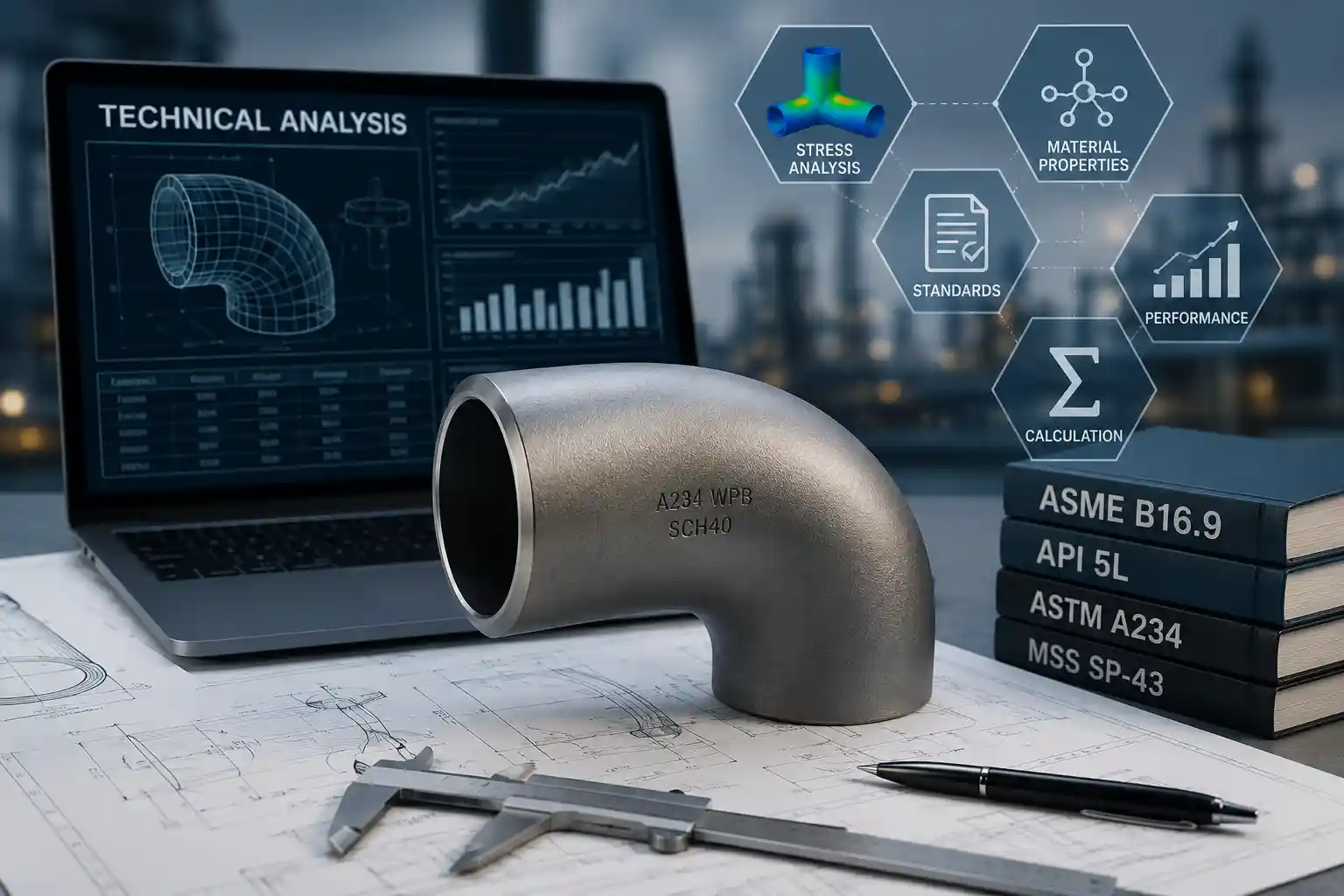
راهنمای جامع انتخاب اتصالات جوشی لوله برای پروژههای نفت، گاز و پتروشیمی
انتخاب اتصال جوشی لببهلب (Butt Weld Fitting) مناسب، یک تصمیم مهندسی حیاتی است که مستقیماً بر ایمنی، یکپارچگی و عمر مفید سیستمهای لولهکشی در صنایع نفت و گاز تأثیر میگذارد. این انتخاب بسیار فراتر از تطابق ساده با قطر اسمی لوله (NPS) است و نیازمند بررسی دقیق عوامل متعددی از جمله فشار و دمای طراحی، جنس متریال، نوع سیال، الزامات جوشکاری، بازرسی و استانداردهای مرتبط میباشد. این مقاله یک مرجع جامع و دقیق برای مهندسان، متخصصان خرید و مدیران پروژه فراهم میکند تا با اطمینان کامل اتصالات جوشی مناسب را انتخاب نمایند.
ایران اتصال آسیا — تأمین بینالمللی
ظرفیتهای صادراتی، محصولات صنعتی و پشتیبانی پروژههای ایران اتصال آسیا را برای خریداران و پیمانکاران جهانی بررسی کنید.
مشاهده خدمات بینالمللی →ابزارهای مهندسی پایپینگ
مجموعهای از ابزارها و محاسبات کاربردی برای مهندسی پایپینگ، لولهها و اتصالات را به صورت رایگان استفاده کنید.
مشاهده ابزارهای پایپینگ →اتصالات جوشی لوله چیست؟
اتصالات جوشی لببهلب (Butt Weld Fittings) قطعاتی هستند که برای تغییر جهت، اندازه یا انشعاب در سیستم لولهکشی به کار میروند. این اتصالات از طریق یک جوش محیطی با نفوذ کامل (Full Penetration Weld) به لوله متصل میشوند و اتصالی با پیوستگی متالورژیکی ایجاد میکنند که استحکامی برابر یا بیشتر از لوله اصلی دارد. به همین دلیل، آنها انتخاب اول برای خدمات با اهمیت بالا در صنایع نفت، گاز، پتروشیمی و نیروگاه هستند.
انواع رایج شامل زانویی (Elbow)، سهراهی (Tee)، ردیوسر یا تبدیل (Reducer)، کپ (Cap) و استاب اند (Stub End) میشوند. این اتصالات بر اساس استانداردهای ابعادی مانند ASME B16.9 و استانداردهای متریال مانند ASTM A234 برای فولاد کربنی یا ASTM A403 برای فولاد زنگنزن ساخته میشوند.
چرا انتخاب صحیح اتصالات جوشی اهمیت دارد؟
انتخاب اشتباه یک اتصال میتواند کل سیستم لولهکشی را به خطر بیندازد. پیامدهای آن عبارتند از:
- از دست رفتن یکپارچگی فشار: عدم تطابق ضخامت دیواره یا جنس متریال با فشار طراحی.
- نشت و از دست رفتن سیال: آمادهسازی نامناسب انتهای جوش یا ناسازگاری متریال منجر به عیوب جوش میشود.
- تنش و خستگی زودهنگام: هندسه نامناسب (مثلاً استفاده از زانویی Short Radius به جای Long Radius) باعث افزایش تمرکز تنش میشود.
- خوردگی و فرسایش: انتخاب گرید متریال اشتباه برای سیال فرآیندی، تخریب سریعتر اتصال را به دنبال دارد.
- هزینههای سنگین دوبارهکاری: اصلاحات در کارگاه یا خرابیهای حین سرویس، باعث تأخیر پروژه و مخاطرات ایمنی میشود.
عوامل اصلی در انتخاب اتصالات جوشی
ارزیابی سیستماتیک پارامترهای زیر برای انتخاب صحیح ضروری است. این عوامل به هم مرتبط بوده و باید به صورت یکپارچه در نظر گرفته شوند.
- قطر اسمی (NPS) و قطر خارجی: اندازه انتهای اتصال باید با قطر خارجی لوله مطابق با ASME B36.10/B36.19 باشد.
- ضخامت دیواره / رده (Schedule): باید با رده لوله متصلشونده مطابقت داشته باشد تا اتصال جوشی مناسب و تحمل فشار برابر حاصل شود.
- فشار و دمای طراحی: تعیینکننده کلاس فشار مورد نیاز و استحکام متریال است.
- گرید متریال: باید با جنس لوله و سیال سرویس سازگار باشد (مانند فولاد کربنی، زنگنزن، آلیاژی).
- مقدار خوردگی مجاز: ضخامت اضافی برای جبران خوردگی مورد انتظار در طول عمر طراحی.
- نوع سیال سرویس: تعیینکننده الزامات ویژه (مانند سرویس ترش مطابق NACE MR0175 یا سرویس با خلوص بالا).
- کلاس لولهکشی (Piping Class): یک مشخصات پروژهای که تمام الزامات یک سرویس خاص را گروهبندی میکند.
- کد طراحی قابل اجرا: ASME B31.3 (فرآیندی)، B31.4 (مایعات) یا B31.8 (گاز) بر طراحی و ساخت حاکم هستند.
- روش ساخت: مانیسمان (Seamless) یا درزدار (Welded) که بر هزینه، در دسترس بودن و بازرسی تأثیر میگذارد.
- آمادهسازی انتهای جوش: نوع و ابعاد پخ مطابق با ASME B16.25.
- بازرسی و گواهی: الزامات آزمونهای غیرمخرب (NDE) و مدارک (MTC، PMI).
- قابلیت ردیابی (Traceability): شماره حرارت (Heat Number) و گواهیهای متریال برای تضمین کیفیت کامل.
فرآیند گامبهگام انتخاب اتصال جوشی
این متدولوژی ساختاریافته تضمین میکند که تمام جنبههای حیاتی قبل از خرید در نظر گرفته شوند.
- تعریف سرویس: شناسایی سیال، شرایط عملیاتی و کد طراحی قابل اجرا.
- تعیین شرایط طراحی: فشار طراحی، دمای طراحی و بارهای گذرا را مشخص کنید.
- تعیین سایز لوله: قطر اسمی (NPS) و قطر خارجی را از لیست لولهها یا ایزومتریک تأیید کنید.
- تعیین ضخامت دیواره لوله: رده (Schedule) یا ضخامت مشخصشده را تأیید کنید.
- شناسایی متریال: بر اساس کلاس لولهکشی و الزامات سرویس، گرید متریال را انتخاب کنید.
- شناسایی کلاس لولهکشی: برای جزئیات کامل به مشخصات کلاس لولهکشی پروژه مراجعه کنید.
- انتخاب نوع اتصال: زانویی، سهراهی، ردیوسر، کپ و غیره بر اساس نقشههای لولهکشی.
- انتخاب هندسه اتصال: برای زانویی: LR در مقابل SR؛ برای ردیوسر: هممرکز در مقابل غیرهممرکز.
- بررسی سازگاری ابعادی: تطابق قطر خارجی، سوراخ داخلی (Bore) و ضخامت دیواره با لوله را تأیید کنید.
- تأیید الزامات جوشکاری: آمادهسازی پخ مطابق ASME B16.25 و هر گونه پیشگرم یا عملیات حرارتی پس از جوش (PWHT) را بررسی کنید.
- تعریف بازرسی و مدارک: آزمونهای غیرمخرب، گواهی MTC، PMI و الزامات علامتگذاری را مشخص کنید.
- بررسی نهایی مهندسی: یک مهندس ارشد تمام پارامترها را قبل از ارسال درخواست استعلام (RFQ) تأیید کند.
انتخاب متریال مناسب
جنس اتصال باید با لوله و محیط سرویس سازگار باشد. خانوادههای رایج متریال عبارتند از:
- فولاد کربنی (ASTM A234 WPB): سرویس عمومی نفت و گاز، دما و فشارهای متوسط.
- فولاد زنگنزن (ASTM A403 WP304/WP316): سرویسهای خورنده، با خلوص بالا و مقاوم در برابر کلرید.
- فولاد آلیاژی (ASTM A234 WP11/WP22): فولادهای کروم-مولیبدن (Cr-Mo) برای سرویس با دمای بالا و فشار بالا در پالایشگاهها و نیروگاهها.
- فولاد کربنی دمای پایین (ASTM A420 WPL6): برای سرویسهای برودتی تا دمای ۴۶- درجه سانتیگراد.
- خطوط لوله پراستحکام (MSS SP-75 WPHY): برای خطوط لوله انتقال با فشار بالا، مطابق با گریدهای API 5L X42 تا X80.
انتخاب زانویی (Elbow)
زانویی بر اساس تغییر مسیر مورد نیاز، خصوصیات جریان و محدودیتهای فضا انتخاب میشود. تصمیمات کلیدی شامل زاویه و شعاع خم است.
- زانویی ۴۵، ۹۰ یا ۱۸۰ درجه: بر اساس نقشههای لولهکشی و ایزومتریک تعیین میشود.
- شعاع بلند (LR) در مقابل شعاع کوتاه (SR): زانویی با شعاع بلند (LR) با فاصله مرکز تا انتها معادل ۱.۵ برابر قطر اسمی، انتخاب استاندارد است و افت فشار و سایش کمتری دارد. زانویی با شعاع کوتاه (SR) با فاصله معادل ۱ برابر قطر اسمی، تنها در صورت محدودیت شدید فضا استفاده میشود و تلاطم و تنش را افزایش میدهد. اطلاعات بیشتر در مورد LR و SR.
- برای مقایسه دقیق زانویی ۴۵ و ۹۰ درجه، به راهنمای انتخاب زانویی ۴۵ درجه در مقابل ۹۰ درجه مراجعه کنید.
انتخاب سهراهی (Tee)
سهراهی برای ایجاد انشعاب از خط اصلی استفاده میشود. انتخاب به اندازه انشعاب و توزیع جریان بستگی دارد.
- سهراهی مساوی (Equal Tee): انشعاب و خط اصلی هماندازه هستند.
- سهراهی کاهنده (Reducing Tee): انشعاب کوچکتر از خط اصلی است و نیاز به یک ردیوسر مجزا را برطرف میکند.
- الزامات تقویتکننده (Reinforcement) در محل انشعاب باید بر اساس ASME B31.3 بررسی شود.
- برای اتصالات انشعاب پیچیدهتر، راهنمای اتصالات انشعاب در پایپینگ را مطالعه کنید.
انتخاب ردیوسر (Reducer)
ردیوسرها برای تغییر اندازه لوله به کار میروند. انتخاب بین نوع هممرکز (Concentric) و غیرهممرکز (Eccentric) بسیار حیاتی است.
- ردیوسر هممرکز (Concentric Reducer): خط مرکزی را ثابت نگه میدارد و معمولاً در لولهکشی عمودی یا جایی که تقارن جریان قابل قبول است استفاده میشود.
- ردیوسر غیرهممرکز (Eccentric Reducer): یک سطح صاف (بالا یا پایین) را حفظ میکند. در خطوط مکش پمپ (برای جلوگیری از تشکیل حباب بخار، با سطح صاف در بالا) و در رکهای افقی (برای حفظ ارتفاع تکیهگاه، با سطح صاف در پایین) استفاده میشود.
انتخاب کپ (Cap)
از کپ برای بستن دائمی انتهای لوله استفاده میشود. انتخاب آن بر اساس همان پارامترهای سایر اتصالات است: قطر اسمی، رده، متریال و آمادهسازی انتهای جوش. کپ باید فشار و دمای طراحی را تحمل کند.
اتصالات جوشی مانیسمان (Seamless) در مقابل درزدار (Welded)
هر دو نوع تحت پوشش ASME B16.9 هستند و برای کاربردهای مختلف مناسباند. هیچکدام ذاتاً "بهتر" از دیگری نیست.
| پارامتر | اتصالات مانیسمان | اتصالات درزدار |
|---|---|---|
| روش ساخت | از یک شمشال یکپارچه، بدون درز طولی. | از ورق یا لوله با یک درز جوش طولی. |
| یکپارچگی متریال | ساختار دانهبندی یکنواخت، بدون عیوب مرتبط با درز. | احتمال تغییرات در محل درز جوش؛ کیفیت درز به فرآیند ساخت بستگی دارد. |
| محدوده سایز | معمولاً تا سایز NPS 24. | در تمام سایزها از جمله قطرهای بزرگ بالای NPS 24 در دسترس است. |
| درجه فشار | به دلیل نبود درز، معمولاً بالاتر است. | نسبت به نوع مانیسمان با همان متریال و رده پایینتر است. |
| هزینه | گرانتر. | اقتصادیتر، به ویژه در قطرهای بزرگ. |
| سرویس معمول | فشار بالا، دمای بالا، سرویسهای بحرانی و خورنده. | سرویسهای با فشار متوسط، یوتیلیتی و غیربحرانی. |
برای اطلاعات بیشتر، مقاله زانویی مانیسمان در مقابل درزدار را مطالعه کنید.
تأثیر Schedule بر انتخاب اتصالات
Schedule (مانند SCH 40، SCH 80) ضخامت دیواره را تعریف میکند. ضخامت دیواره اتصال باید با Schedule لوله مطابقت داشته باشد تا تحمل فشار برابر و آمادهسازی جوش مناسب حاصل شود. استفاده از اتصالی با Schedule متفاوت از لوله، نقطه ضعف ایجاد کرده و جوشکاری را دشوار میسازد. برای جزئیات بیشتر به راهنمای SCH 40 در مقابل SCH 80 مراجعه کنید.
فشار و دما
اتصالات باید برای فشار و دمای طراحی سیستم رتبهبندی شوند. رتبهبندی فشار-دما صرفاً بر اساس Schedule نیست، بلکه تابعی از گرید متریال، کد قابل اجرا و شرایط طراحی است. همیشه اطمینان حاصل کنید که متریال و ضخامت دیواره اتصال انتخابشده برای حداکثر فشار و دمای عملیاتی، از جمله شرایط گذرا، مناسب است.
کلاس لولهکشی (Piping Class) و کلاس خط (Line Class)
کلاس لولهکشی یک مشخصات پروژهای است که مجموعه کاملی از الزامات را برای یک سیستم لولهکشی با سرویس خاص تعیین میکند. این مشخصات شامل جنس لوله، ضخامت دیواره، نوع و رتبه اتصالات، رتبه فلنجها، واشرها، پیچها و الزامات بازرسی میشود. هنگام انتخاب اتصال، همیشه به کلاس لولهکشی مراجعه کنید تا از سازگاری تمام اجزا اطمینان حاصل شود.
استانداردها و کدهای ASME قابل اعمال
درک نقش هر استاندارد و کد بسیار مهم است.
- ASME B16.9: استاندارد ابعادی برای اتصالات جوشی از جنس فولاد نورد شده. ابعاد، تلرانسها و علامتگذاری را پوشش میدهد.
- ASME B16.25: استاندارد برای انتهای جوش لببهلب، شامل هندسه پخ، وجه ریشه (Root Face) و تلرانسهای همراستایی.
- ASME B31.3: کد لولهکشی فرآیندی – بر طراحی، ساخت، بازرسی و تست برای کارخانههای فرآیندی حاکم است.
- ASME B31.4: سیستمهای انتقال خط لوله برای مایعات و دوغابها.
- ASME B31.8: سیستمهای انتقال و توزیع گاز.
فرآیند تولید اتصالات جوشی
اتصالات جوشی از طریق مراحلی شامل انتخاب مواد اولیه، شکلدهی (گرم یا سرد)، عملیات حرارتی، ماشینکاری، پخزنی و بازرسی تولید میشوند. روش ساخت (مانیسمان یا درزدار) بر خواص نهایی و کاربرد محصول تأثیر میگذارد. برای اطلاعات دقیقتر، مقالات فرآیند تولید اتصالات جوشی و روشهای تولید زانویی را مطالعه کنید.
الزامات جوشکاری
جوشکاری صحیح برای اتصالات جوشی حیاتی است. جنبههای کلیدی عبارتند از:
- WPS و PQR: جوشکاری باید بر اساس یک مشخصات رویه جوشکاری (WPS) معتبر انجام شود.
- آمادهسازی پخ: مطابق با ASME B16.25، شامل فاصله ریشه (Root Gap)، زاویه پخ و همراستایی صحیح.
- پیشگرم و عملیات حرارتی پس از جوش (PWHT): برای برخی متریالها (مانند کروم-مولی) و ضخامتها برای جلوگیری از ترک هیدروژنی الزامی است.
- آزمونهای غیرمخرب (NDE): آزمون رادیوگرافی یا فراصوت برای عیوب حجمی؛ آزمون ذرات مغناطیسی یا نافذ رنگ برای عیوب سطحی.
بازرسی و کنترل کیفیت
یک برنامه کنترل کیفیت قوی برای تضمین کیفیت اتصالات ضروری است.
- بازرسی چشمی (VT): عیوب سطحی، علائم و وضعیت عمومی.
- بازرسی ابعادی: تأیید تمام ابعاد مطابق با ASME B16.9.
- شناسایی مثبت مواد (PMI): تأیید ترکیب آلیاژی.
- آزمونهای غیرمخرب (NDE): رادیوگرافی، فراصوت، ذرات مغناطیسی یا نافذ رنگ بر اساس نیاز.
- بررسی مدارک: گواهیهای MTC، شماره حرارت و گواهیها.
گواهی آزمون کارخانه (MTC) و قابلیت ردیابی (Traceability)
قابلیت ردیابی در سرویسهای بحرانی غیرقابل مذاکره است. هر اتصال باید از طریق شماره حرارت خود به گواهی MTC قابل ردیابی باشد که ترکیب شیمیایی، خواص مکانیکی و عملیات حرارتی را مستند میکند. بدون قابلیت ردیابی، نمیتوان تناسب متریال را تأیید کرد که یک خطر ایمنی قابل توجه است. این نکته کلیدی در راهنمای تشخیص اتصالات جوشی تقلبی نیز مطرح شده است.
نحوه مشخصکردن اتصالات جوشی برای خرید
درخواست استعلام (RFQ) یا سفارش خرید باید از نظر فنی کامل باشد. یک مشخصات دقیق از سوءتفاهم جلوگیری کرده و تحویل محصول صحیح را تضمین میکند.
"۱۰۰ عدد — زانویی ۹۰ درجه با شعاع بلند (LR)، سایز NPS 6، رده SCH 40، متریال ASTM A234 WPB، انتهای پخخورده مطابق ASME B16.25، مطابق با ASME B16.9. همراه با گواهی MTC EN 10204 3.1، انجام ۱۰۰٪ آزمون رادیوگرافی (RT)."
همیشه شامل: استاندارد، نوع، سایز، رده، متریال، آمادهسازی انتها، تعداد، آزمونهای غیرمخرب، گواهیها، علامتگذاری و الزامات بستهبندی باشد.
ارزیابی تأمینکننده اتصالات جوشی
هنگام انتخاب تأمینکننده، موارد زیر را در نظر بگیرید:
- توانایی تولید: آیا تجهیزات و تجربه لازم برای سایزها و متریالهای مورد نیاز شما را دارند؟
- سیستم کیفیت: گواهینامههای ISO 9001، ASME و سایر گواهینامهها.
- قابلیت ردیابی: آیا میتوانند گواهیهای کامل MTC با شماره حرارت ارائه دهند؟
- بازرسی و آزمون: آیا توانایی انجام آزمونهای غیرمخرب را در داخل کارخانه دارند؟
- تجربه صادراتی: آیا با لجستیک و مدارک بینالمللی آشنایی دارند؟
برای راهنمایی بیشتر، راهنمای خرید اتصالات جوشی را مطالعه کنید.
اتصالات غیرمنطبق و تقلبی
اتصالات تقلبی یک خطر واقعی در بازار جهانی هستند. نشانهها شامل علامتگذاری اشتباه، جایگزینی متریال، عدم وجود شماره حرارت، پخزنی نامناسب و گواهیهای جعلی است. همیشه درخواست مدارک کامل کنید، علامتگذاری را تأیید کنید و در صورت نیاز بازرسی مستقل را در نظر بگیرید. مقاله تشخیص اتصالات جوشی تقلبی راهنمایی دقیق ارائه میدهد.
خطاهای رایج مهندسی و خرید
- خطا: انتخاب تنها بر اساس قطر اسمی — نتیجه: عدم تطابق ضخامت دیواره/رده.
- خطا: اشتباه گرفتن ASME B16.9 با استاندارد متریال — نتیجه: از دست رفتن الزامات حیاتی متریال.
- خطا: عدم تعیین LR یا SR — نتیجه: افت فشار و جریان نادرست.
- خطا: نادیده گرفتن کلاس لولهکشی — نتیجه: ناسازگاری اجزا.
- خطا: تصور اینکه اتصالات مانیسمان همیشه بهتر هستند — نتیجه: هزینه غیرضروری.
- خطا: خرید اتصالات بدون گواهی MTC — نتیجه: عدم قابلیت ردیابی، احتمال تقلب در متریال.
مثالهای عملی انتخاب مهندسی
مثال ۱: خط فرآیند کربن استیل
سرویس: خط فرآیند هیدروکربنی. طراحی: سایز NPS 6، رده SCH 40، متریال A106 Gr. B، فشار ۱۵۰ psi @ دمای ۲۰۰ درجه سانتیگراد. انتخاب: زانویی ۹۰ درجه با شعاع بلند (LR)، سایز NPS 6، رده SCH 40، متریال ASTM A234 WPB، مطابق ASME B16.9.
مثال ۲: سرویس با دمای بالا
سرویس: بخار فوقداغ. طراحی: سایز NPS 4، رده SCH 160، متریال A335 P11. انتخاب: زانویی ۹۰ درجه با شعاع بلند (LR)، سایز NPS 4، رده SCH 160، متریال ASTM A234 WP11، مطابق ASME B16.9. نیاز به پیشگرم و عملیات حرارتی پس از جوش (PWHT) دارد.
مثال ۳: ردیوسر مکش پمپ
سرویس: خط مکش پمپ برای جلوگیری از کاویتاسیون. طراحی: سایز ۸″ x ۶″، رده SCH 80. انتخاب: ردیوسر غیرهممرکز (Eccentric Reducer)، سایز ۸″ x ۶″، رده SCH 80، متریال ASTM A234 WPB، با سطح صاف در بالا (FOT).
مثال ۴: اتصال انشعاب
سرویس: انشعاب خط ۴ اینچی از خط اصلی ۸ اینچ. انتخاب: سهراهی کاهنده (Reducing Tee)، سایز ۸″ x ۸″ x ۴″، رده SCH 40، متریال ASTM A234 WPB.
چکلیست انتخاب اتصالات جوشی
- ☐ قطر اسمی (NPS) و رده (Schedule) تأیید شد.
- ☐ گرید متریال (طبق استاندارد ASTM) تأیید شد.
- ☐ نوع و هندسه اتصال انتخاب شد.
- ☐ استاندارد ابعادی (ASME B16.9) مشخص شد.
- ☐ آمادهسازی انتهای جوش (ASME B16.25) تأیید شد.
- ☐ فشار و دمای طراحی با اتصال سازگار است.
- ☐ به کلاس لولهکشی (Piping Class) مراجعه شد.
- ☐ الزامات آزمونهای غیرمخرب (NDE) و بازرسی تعریف شد.
- ☐ الزامات گواهی MTC و قابلیت ردیابی مشخص شد.
- ☐ الزامات جوشکاری (پیشگرم، PWHT) در نظر گرفته شد.
اصطلاحات انگلیسی، عربی و ارمنی
| اصطلاح انگلیسی | اصطلاح عربی | اصطلاح ارمنی |
|---|---|---|
| Butt Weld Fitting | تجهيزات اللحام التناكبي (Tajhīzāt al-Liḥām al-Tanākubī) | Հետույքային եռակցման կցամաս (Hetuyk’ayin yeraktsman ktsamas) |
| Elbow | كوع (Ku‘) | Ծունկ (Tsunk) |
| 90° Elbow | كوع 90 درجة (Ku‘ 90 Daraja) | 90 աստիճանի ծունկ (90 astichani tsunk) |
| 45° Elbow | كوع 45 درجة (Ku‘ 45 Daraja) | 45 աստիճանի ծունկ (45 astichani tsunk) |
| Long Radius Elbow | كوع نصف قطر طويل (Ku‘ Niṣf Quṭr Ṭawīl) | Երկար շառավղով ծունկ (Yerkar sharavghov tsunk) |
| Short Radius Elbow | كوع نصف قطر قصير (Ku‘ Niṣf Quṭr Qaṣīr) | Կարճ շառավղով ծունկ (Karj sharavghov tsunk) |
| Tee | محبس (Tee / Mahbas) | Թի (T’i) |
| Reducer | مخفض (Mukhaffiḍ) | Նվազիչ (Nvazich’) |
| Concentric Reducer | مخفض متحد المركز (Mukhaffiḍ Muttaḥid al-Markaz) | Համակենտրոն նվազիչ (Hamakentron nvazich’) |
| Eccentric Reducer | مخفض لامركزي (Mukhaffiḍ Lā-markazī) | Էքսցենտրիկ նվազիչ (Eks’tsentrik nvazich’) |
| Pipe Cap | غطاء الأنبوب (Ghiṭā’ al-Anbūb) | Խողովակի խցան (Khoghovaki khts’an) |
| Seamless Fitting | تجهيزة غير ملحومة (Tajhīza Ghayr Malḥūma) | Անթերի կցամաս (Ant’eri ktsamas) |
| Welded Fitting | تجهيزة ملحومة (Tajhīza Malḥūma) | Եռակցված կցամաս (Yerakts’vats ktsamas) |
پرسشهای متداول (FAQ)
چگونه اتصالات جوشی مناسب را انتخاب کنیم؟
فرآیندی سیستماتیک را دنبال کنید: سرویس را تعریف کنید، شرایط طراحی (فشار، دما، متریال) را مشخص کنید، قطر اسمی و رده را تعیین کنید، نوع و هندسه اتصال را انتخاب کنید و سپس سازگاری با لوله و استانداردهای قابل اجرا را بررسی کنید.
استاندارد اصلی اتصالات جوشی چیست؟
ASME B16.9 استاندارد ابعادی اولیه برای اتصالات جوشی از جنس فولاد نورد شده کارخانهای است.
ASME B16.9 چه چیزی را مشخص میکند؟
ASME B16.9 ابعاد، تلرانسها و علامتگذاری اتصالات جوشی را مشخص میکند و شامل متریال یا رتبه فشار نمیشود.
ASME B16.25 چیست؟
ASME B16.25 استاندارد آمادهسازی انتهای جوش لببهلب شامل زاویه پخ، وجه ریشه و تلرانسهای همراستایی است.
چگونه بین زانویی LR و SR انتخاب کنیم؟
زانویی با شعاع بلند (LR) انتخاب استاندارد است و افت فشار و سایش کمتری دارد. زانویی با شعاع کوتاه (SR) تنها در صورت محدودیت شدید فضا استفاده میشود.
تفاوت اتصالات جوشی مانیسمان و درزدار چیست؟
اتصالات مانیسمان از شمشال یکپارچه بدون درز ساخته میشوند و یکپارچگی بالاتری برای سرویسهای بحرانی دارند. اتصالات درزدار دارای درز طولی هستند و برای سرویسهای با فشار متوسط اقتصادیترند.
Schedule چه تأثیری بر انتخاب اتصال دارد؟
Schedule ضخامت دیواره را مشخص میکند. Schedule اتصال باید با Schedule لوله مطابقت داشته باشد تا تحمل فشار برابر و آمادهسازی جوش مناسب حاصل شود.
چگونه ردیوسر غیرهممرکز انتخاب کنیم؟
برای خطوط مکش پمپ از ردیوسر غیرهممرکز با سطح صاف در بالا (FOT) برای جلوگیری از تشکیل حباب بخار استفاده کنید. برای رکهای افقی از سطح صاف در پایین (FOB) برای حفظ ارتفاع تکیهگاه استفاده کنید.
چه مدارکی باید از تأمینکننده درخواست کرد؟
گواهی آزمون کارخانه (MTC) با شماره حرارت، گزارشهای ابعادی و نتایج آزمونهای غیرمخرب را درخواست کنید. قابلیت ردیابی از اتصال تا گواهی را تضمین کنید.
MTC چیست؟
گواهی آزمون کارخانه (Mill Test Certificate) ترکیب شیمیایی، خواص مکانیکی و عملیات حرارتی متریال را مستند کرده و تأیید میکند که با استاندارد سفارشدادهشده مطابقت دارد.
PMI چیست؟
شناسایی مثبت مواد (Positive Material Identification) یک تکنیک غیرمخرب (مانند XRF) برای تأیید ترکیب آلیاژی اتصال است و اطمینان میدهد که با گرید متریال مشخصشده مطابقت دارد.
اتصالات جوشی چگونه بازرسی میشوند؟
بازرسی شامل بازرسی چشمی (VT)، ابعادی، PMI و آزمونهای غیرمخرب (NDE) مانند رادیوگرافی (RT) یا فراصوت (UT) بسته به الزامات سرویس است.
کلاس لولهکشی (Piping Class) چیست؟
کلاس لولهکشی یک مشخصات پروژهای است که مجموعه کاملی از متریالها، رتبهبندیها و الزامات را برای یک سیستم لولهکشی با سرویس خاص تعیین میکند.
چه متریالی برای اتصالات کربن استیل استفاده میشود؟
ASTM A234 WPB استاندارد مشخصات اتصالات کربن استیل نورد شده برای سرویس با دمای متوسط و بالا است.
در درخواست استعلام (RFQ) چه مواردی باید درج شود؟
استاندارد، نوع، سایز، رده، متریال، آمادهسازی انتها، تعداد، آزمونهای غیرمخرب، گواهیها، علامتگذاری و هر گونه الزامات خاص پروژه را درج کنید.
نتیجهگیری
انتخاب اتصال جوشی صحیح یک وظیفه چندوجهی مهندسی و خرید است. با پیروی از یک فرآیند ساختاریافته که تمام پارامترهای کلیدی از قطر اسمی و رده گرفته تا متریال، فشار، دما و کدهای قابل اجرا را در نظر میگیرد، مهندسان و خریداران میتوانند ایمنی، قابلیت اطمینان و مقرونبهصرفه بودن سیستمهای لولهکشی خود را تضمین کنند. همیشه سازگاری متریال، دقت ابعادی، قابلیت ردیابی کامل و کنترل کیفیت قوی را در اولویت قرار دهید.
برای انتخاب و تأمین اتصالات جوشی پروژه خود نیاز به راهنمایی دارید؟
برای دریافت مشخصات فنی، بررسی موجودی محصول، الزامات پروژه یا استعلام بینالمللی، با ایران اتصال آسیا تماس بگیرید.
تماس با کارشناسان →